The Big Five of Malawi

Africa's most iconic wildlife โ€” the five most difficult animals to hunt on foot. All five can be found in Malawi's Majete Wildlife Reserve, a remarkable conservation success story.

African Lion

๐Ÿฆ African Lion

The king of the African savanna. Lions were reintroduced to Majete Wildlife Reserve, and in 2018 four new lions from South Africa were added to increase genetic diversity. Best spotted in Majete and Liwonde National Park during early morning or late afternoon game drives along the Shire River.

๐Ÿ“ Majete Wildlife Reserve ยท Liwonde National Park

African Leopard

๐Ÿ† African Leopard

The most elusive of the Big Five. Leopards are widespread across Malawi but extremely difficult to spot. Nyika National Park has the highest concentration of leopards in the country. These solitary nocturnal hunters are masters of stealth, often resting in trees during the day.

๐Ÿ“ Nyika National Park ยท Majete Wildlife Reserve

African Elephant

๐Ÿ˜ African Elephant

Malawi is now home to over 2,000 elephants, up from just a few hundred at the turn of the millennium. In 2016, one of the largest elephant translocations in history moved 500 elephants to Nkhotakota Wildlife Reserve. Watch herds of 30โ€“40 gather along the Shire River at Liwonde.

๐Ÿ“ Liwonde National Park ยท Nkhotakota ยท Majete

Cape Buffalo

๐Ÿƒ Cape Buffalo

Considered the most dangerous of the Big Five, Cape buffalo are short-tempered herbivores that kill an estimated 500 people yearly across Africa. Malawi's Vwaza Marsh Wildlife Reserve has over 1,000 buffalo. Large herds were reintroduced to Majete and Nkhotakota reserves.

๐Ÿ“ Vwaza Marsh ยท Majete ยท Nkhotakota

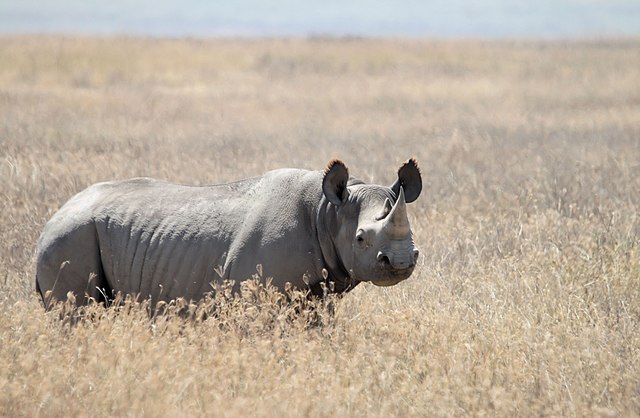
Black Rhinoceros

๐Ÿฆ Black Rhinoceros

Critically endangered worldwide, black rhinos were successfully reintroduced to Malawi as part of the Majete revival. They can also be seen at Liwonde National Park. These solitary, aggressive herbivores are fiercely protected โ€” not a single animal has been poached in Majete since 2003.

๐Ÿ“ Liwonde National Park ยท Majete Wildlife Reserve

The Small Five

Named after the Big Five, these tiny creatures share part of their name with their larger counterparts. Harder to spot but equally fascinating โ€” ask your guide!

Elephant Shrew

๐Ÿญ Elephant Shrew

Named for its flexible, elephant-like snout used to sniff out insects. Only 23โ€“31 cm long and weighing just 680 grams, this tiny mammal can reach speeds over 28 km/h and leap almost a meter in a single bound. Extremely shy and rarely seen โ€” spotting one makes you very lucky!

๐Ÿ”— Named after: African Elephant

Leopard Tortoise

๐Ÿข Leopard Tortoise

The largest of the Small Five, named for the striking leopard-like spots on its shell. Growing up to 45 cm and weighing up to 20 kg, they can live to over 80 years. Found across savannah habitats, these herbivores feed on grass, shrubs and succulents. Often spotted crossing roads on game drives.

๐Ÿ”— Named after: African Leopard

Rhinoceros Beetle

๐Ÿชฒ Rhinoceros Beetle

Named for the horn-like projections on the males' heads, just like their rhino namesake. Among the strongest creatures on Earth proportional to their size โ€” they can lift 850 times their own body weight! Over 60 species are found in Southern Africa. Nocturnal and rarely seen on safari.

๐Ÿ”— Named after: Black Rhinoceros

Buffalo Weaver

๐Ÿฆ Buffalo Weaver

The easiest of the Small Five to spot! Named for their habit of following Cape buffalo herds. These highly vocal, social birds build messy communal nests from twigs in trees. The red-billed buffalo weaver is common across Southern Africa. You'll likely hear their loud chattering before you see them.

๐Ÿ”— Named after: Cape Buffalo

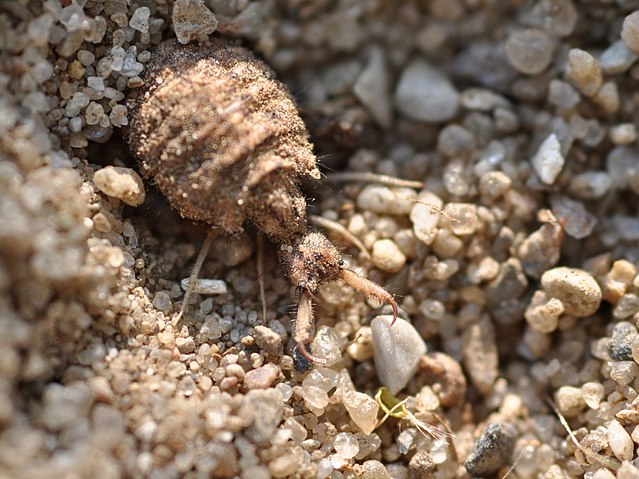
Ant Lion trap in sand

๐Ÿœ Ant Lion

The smallest and fiercest of the Small Five! Named for its predatory behaviour โ€” as fierce as a lion. The larva digs funnel-shaped pits in sandy soil and waits for ants to fall in. Look for tiny 2-inch cone-shaped traps in dry, sunny spots. Wiggle a grass blade in one and watch the ant lion grab it!

๐Ÿ”— Named after: African Lion